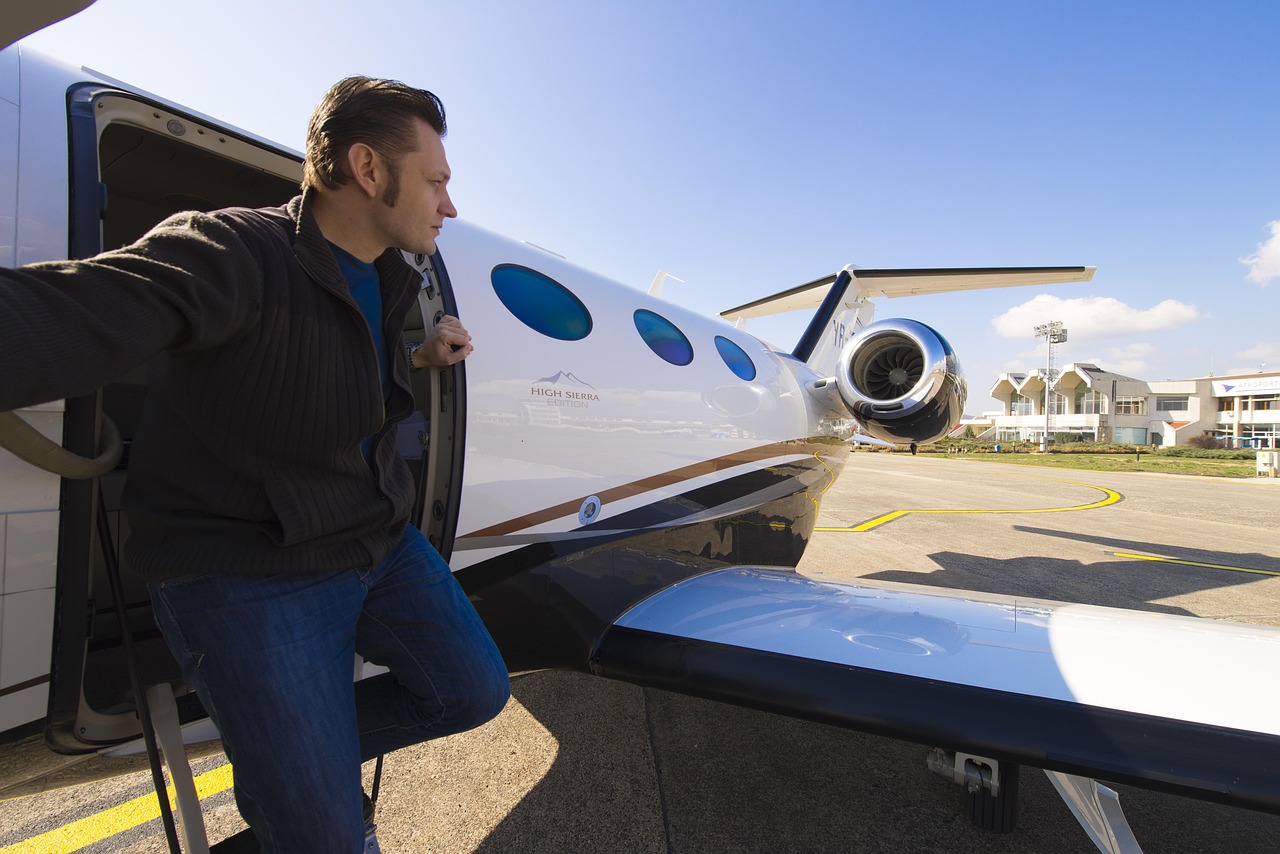
When the Sky Meets the Wilderness
Imagine standing at the rim of the Grand Canyon, the sun painting the sandstone in amber, and the only thing between you and the awe‑struck horizon is a private jet carrying you through the clouds to your next remote refuge. Adventure travel has always been about pushing boundaries, but the pace and unpredictability of the world can turn a daring trek into a logistical nightmare. A private jet charter changes that equation. It becomes a passport that lets you skirt commercial schedules, bypass crowded airports, and land on airstrips that are minutes from your trailhead or mountaintop. For the curious traveler, the idea of stepping off a jet and onto a jungle canopy or a high‑altitude glacier feels as thrilling as the journey itself. It’s not just about the destination; it’s about the freedom to design that journey.
When you’re mapping out a trek that might start in a secluded Amazon basin and end on a volcanic ridge in the Andes, the aircraft you choose becomes more than a mode of transport—it’s a mobile basecamp. Light jets like the Cessna Citation XLS offer agility and the ability to land on short runways, making them ideal for early‑morning takeoffs from a small airstrip near a jungle lodge. For longer legs or a fleet of teammates, a midsize or heavy jet such as the Bombardier Challenger or Gulfstream G650 brings plush seating, ample baggage space, and the endurance to glide over vast desert stretches without refueling. The cabin layout matters too; open, panoramic windows invite the outside world while noise‑insulated seats let you unwind after a day of trekking. In short, the right aircraft turns logistical challenges into seamless transitions between adventure hubs.
Choosing the Right Aircraft
Planning the route for a private jet adventure is a dance between ambition and practicality. You start by identifying the key nodes—those remote lodges, ski bases, or research stations that will serve as the touchpoints of your journey. Once you have those coordinates, the charter broker maps the most efficient flight path, taking into account jet fuel range, runway length, and the regulatory permissions required for each airfield. Weather, too, is a critical partner; a thunderstorm over the Himalayas can push you to an alternative drop point, but the flexibility of a private jet means you can re‑route on the fly without missing a sunrise on the ridge. A seasoned charter team will also negotiate landing fees and ground services in advance, ensuring that the transition from aircraft to adventure gear is as smooth as the descent itself.
Safety first is a mantra that runs through every aspect of private jet travel, especially when venturing into remote landscapes. Operators adhere to rigorous standards set by authorities like the FAA and EASA, and many exceed them with internal audits and specialized pilot training. Pilots who have repeatedly flown the rugged terrain of Patagonia or the narrow strips of the African savannah bring an intuition that commercial crews rarely possess. The aircraft’s maintenance cycle is strictly monitored, and pre‑flight checklists are exhaustive, covering everything from the condition of the navigation system to the reliability of the de‑icing equipment. In the event of an emergency, the jet’s onboard medical kit and satellite communication link ensure that help is never more than a call away, even if the nearest emergency services are hours away.
Mapping the Path
Adventure seekers often have a clear vision of where they want to go, but the path to that vision is rarely straightforward. A private jet charter can smooth the journey by providing access to airports that lie close to the heart of the destination, cutting out hours of drive or ferry rides. The charter broker’s experience in navigating remote airfields means that you can be dropped off at the edge of the Amazon rainforest or a mountaintop lodge, ready to begin your expedition in a matter of minutes. When planning, it’s essential to consider factors such as runway length, approach procedures, and local weather patterns; these details can make the difference between a seamless drop‑off and a logistical hiccup.
Another key advantage of private jets is the ability to adjust on the fly. Should a sudden weather front push you to a different drop point, the crew can re‑plan the flight path with minimal delay. This flexibility allows you to seize opportunities—whether it’s catching the last sunrise on a glacier or avoiding a congested airport during peak season—without sacrificing safety or comfort. By coordinating with local ground operators, the charter service ensures that your arrival aligns with the availability of guides, transport, and any specialized equipment you might need.
Safety at Altitude
While adventure destinations often lie in regions where infrastructure is sparse, safety is never compromised when you’re on a private jet. Every operator adheres to the highest standards set by aviation authorities such as the FAA or EASA, and many go beyond with internal audits and pilot training programs that reflect the unique challenges of remote airstrips. The crew’s experience is crucial; a pilot who has flown the rugged terrain of Patagonia or the narrow strips of the African savannah brings an intuition that commercial crews rarely possess. Moreover, the aircraft’s maintenance cycle is strictly monitored, and pre‑flight checklists are exhaustive, covering everything from the condition of the navigation system to the reliability of the de‑icing equipment.
In the event of an emergency, the jet’s onboard medical kit and satellite communication link ensure that help is never more than a call away, even if the nearest emergency services are hours away. The combination of seasoned crews, stringent maintenance, and real‑time communication turns a remote destination into a manageable one. Travelers can rest assured that the focus on safety remains constant, allowing them to fully immerse themselves in the adventure that awaits.
The In‑Flight Sanctuary
While the jet itself is a marvel of engineering, the real magic happens inside. Most charter operators understand that travelers coming from the heat of a jungle or the chill of a mountaintop need more than a seat; they need a sanctuary. Luxury amenities are not a luxury, but a necessity: climate‑controlled cabins, premium sound systems, and high‑definition screens that can stream your favorite adventure documentaries while you glide above the clouds. In‑flight catering adapts to your itinerary; a light, protein‑rich snack keeps you energized before a high‑altitude trek, whereas a hot meal can be prepared in a tiny galley for a long, scenic flight.
And because your schedule is entirely in your hands, the jet becomes an extension of your travel kit, offering the flexibility to pause, refuel, or simply watch the world change outside the window as your adventure unfolds. Whether you’re sharing stories with fellow travelers or reflecting on the landscapes below, the cabin’s atmosphere is designed to support both rest and inspiration. This tailored comfort is what sets private jet travel apart from the routine of commercial flights.
Value Beyond the Ticket
People often ask whether a private jet is a luxury or a necessity. In adventure travel, the equation leans heavily toward value. A commercial flight might seem cheaper, but when you factor in the time spent at crowded airports, the missed sunset over a remote plateau, or the extra baggage fees that delay your gear, the hidden cost becomes obvious. A charter price usually includes everything you need: pre‑flight preparation, ground handling, customs clearance, and the crew’s expertise.
When you compare that to the combined expenses of a multi‑leg trip with layovers, you’ll notice that the jet’s upfront cost actually frees up more of your budget for gear, local guides, and spontaneous detours. Moreover, the savings in travel time allows you to spend more hours doing the adventure you love, turning every minute into a meaningful experience. By investing in a private charter, you’re not only paying for a seat; you’re paying for seamless integration between transport, safety, and adventure.
Flying Green in Remote Lands
Adventure seekers are increasingly aware of their environmental footprint, especially when traveling to fragile ecosystems. Private jet charters have embraced this responsibility by investing in modern, fuel‑efficient aircraft and adopting carbon offset programs tailored to the destination. Many operators offer a detailed breakdown of the jet’s emissions, allowing you to calculate the exact impact of each flight. By choosing a single‑pilot, single‑crew operation and limiting unnecessary stopovers, the overall carbon output is often comparable to a modest number of commercial flights.
Furthermore, some charter firms partner with conservation projects, ensuring that the revenue generated from flights supports reforestation, wildlife protection, or community development in the very regions you’ll explore. This synergy means you can chase thrills while contributing to the preservation of the landscapes you love. The environmental focus of modern charters ensures that the adventure you pursue does not come at the cost of the very world you’re eager to experience.
Your Adventure, Unbound
Private jet charter transforms adventure travel from a series of logistical hurdles into a curated, seamless expedition. It gives you the runway to escape crowded airports, the cabin to recover before the next challenge, and the freedom to pivot when the world calls you to a new trail. By pairing state‑of‑the‑art aircraft with seasoned crews, meticulous planning, and a clear focus on safety and sustainability, you’re not just booking a flight—you’re investing in a passport that keeps your journey fluid and your impact minimal.
So next time you dream of trekking the Amazon, scaling the Himalayas, or snorkeling off an uncharted reef, imagine the world unfolding beneath a private jet, ready to take you wherever your heart desires.