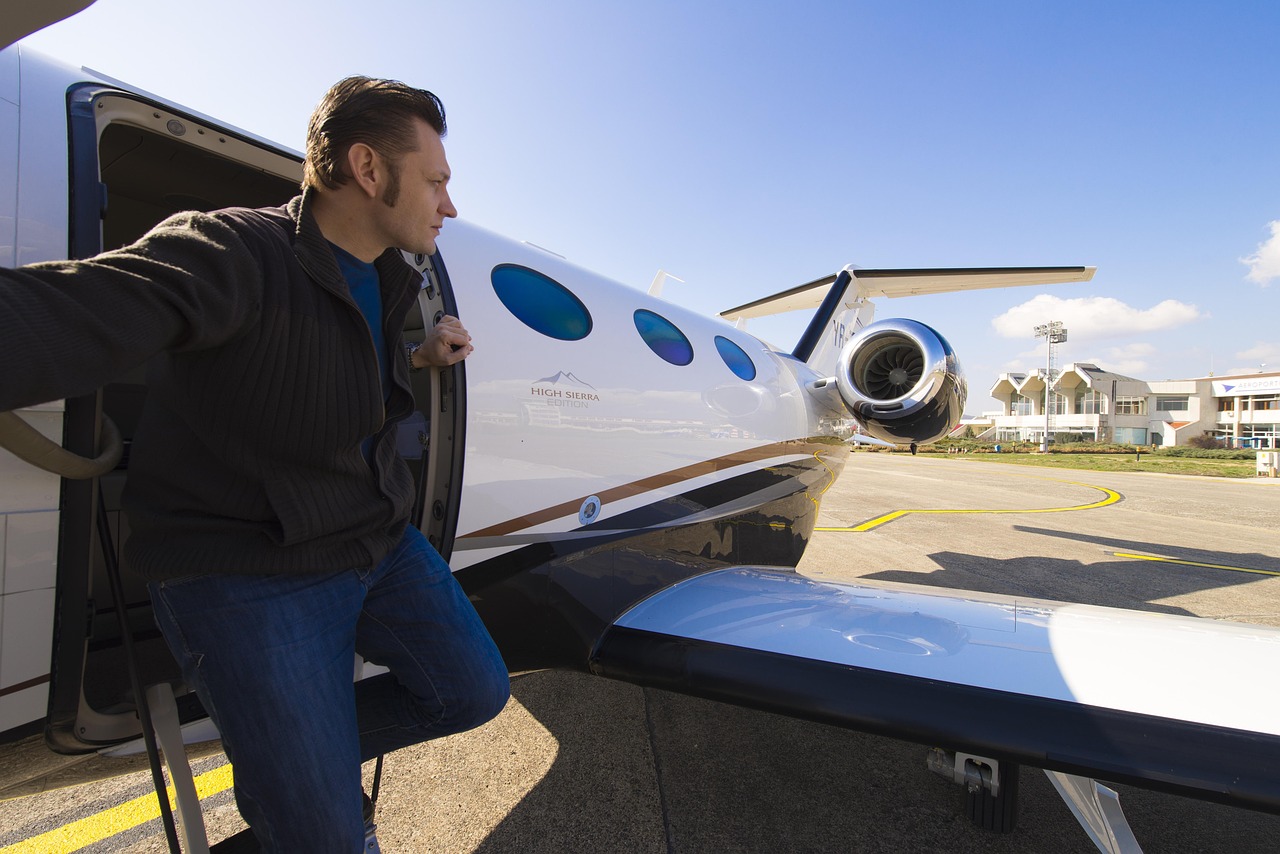
Imagine a sunrise over a secluded island, the gentle hum of the jet a distant whisper, and you stepping onto the runway with a passport and a smile, not a line of security officers to worry about. That image isn’t a fantasy; it’s the reality of traveling without the usual airport chaos. When you choose private aviation, the world shrinks into a personalized experience where every detail is tailored to your comfort and schedule. Rather than waiting in endless queues or adjusting to a rigid timetable, you arrive, board, and depart at times that suit your rhythm. This freedom isn’t merely a luxury; it’s a pathway to a calmer, more focused travel experience that leaves you refreshed, ready to embrace your destination. Let’s explore how you can turn this vision into a seamless reality, ensuring every mile of your journey is as stress‑free as the destination itself.
Private jets offer a unique blend of flexibility and intimacy that commercial flights can rarely match. When you charter a private aircraft, you’re not bound by the constraints of commercial airlines—no mandatory check‑in times, no shared lounges, and no crowded security lines. Instead, you have the privilege of arriving at a small airport or even a private strip, where ground staff know your name and the crew has already pre‑empted any potential hiccups. This level of personalization translates into a sense of calm that starts the moment you step onto the tarmac. By eliminating the unpredictable variables that often accompany commercial travel—delays, overcrowded terminals, and last‑minute gate changes—you free yourself from the mental drain that can accompany long journeys. The result is a smoother transition from home to destination, allowing you to focus on what truly matters: the experience you’re about to have.
Choosing the right aircraft and pilot is the cornerstone of a tranquil flight. While the thrill of being aboard a sleek jet can be exhilarating, the nuances of the aircraft’s size, range, and cabin layout can profoundly influence your comfort.
When you begin the chartering process, start by considering the distance of your trip and the number of passengers. A short regional hop can be perfectly serviced by a light jet, offering a cosy environment and reduced operating costs. In contrast, longer routes may demand a larger, long‑range jet equipped with advanced navigation systems and pressurized cabins that maintain optimal oxygen levels. Each aircraft type comes with its own set of amenities—some feature state‑of‑the‑art entertainment systems, while others offer panoramic windows that turn every flight into a scenic voyage. By aligning your needs with the appropriate aircraft, you eliminate unnecessary discomforts such as cramped seats or insufficient in‑flight entertainment.
Equally crucial is the pilot’s experience and professionalism. A seasoned pilot not only brings a smooth, confident flight to the cabin but also handles all regulatory and logistical details behind the scenes. Their expertise in flight planning—choosing the most efficient routes, weather avoidance, and fuel optimization—means you can relax while they navigate complex airspace. Moreover, a pilot who values your privacy will ensure that your personal data and conversations remain confidential, enhancing the overall sense of security. In short, a meticulous match between your preferences and the aircraft and pilot will set the tone for a flight that is both pleasant and profoundly stress‑free.
Planning logistics ahead of time removes the last major source of travel anxiety. From itineraries to paperwork, the more you anticipate, the less you’ll have to worry when the day arrives.
Start by creating a detailed itinerary that includes departure and arrival times, layovers, and any on‑ground activities. Communicate this schedule to your charter provider early, allowing them to coordinate ground transportation, airport lounges, and any necessary permits. For international trips, ensure your passports are up to date and that you understand the visa or customs requirements of your destination. Many charter companies offer concierge services that can handle these bureaucratic hurdles, saving you from the frustration of last‑minute paperwork. By delegating the nitty‑gritty tasks to professionals, you preserve your mental bandwidth for more enjoyable aspects of the journey.
Another key element is managing your time efficiently. Private aviation often operates from smaller airports that may lack the conveniences of larger hubs. Knowing where your aircraft will land, the proximity of the runway to your final destination, and the availability of local amenities can prevent surprise delays. Arrange for a pre‑flight briefing with your flight team to review your route, weather forecasts, and any potential alternate airports. Having this knowledge before you board gives you confidence that even if unforeseen circumstances arise—like sudden weather changes—you’ll be well‑prepared to adapt. In essence, thorough pre‑flight planning turns uncertainty into a well‑charted path, making your travel experience smooth from start to finish.
Once aboard, the cabin environment can either amplify your relaxation or introduce new stresses. Knowing how to design a comfortable on‑board experience can transform a flight from routine to rejuvenating.
Cabin layout plays a pivotal role in determining how relaxed you feel during the flight. A well‑designed private jet features ergonomically shaped seats, ample legroom, and adjustable lighting that can mimic natural daylight or create a soothing nightscape. If you anticipate needing to work or unwind, request a cabin configuration that includes a private office area or a lounge section with a flat screen and high‑speed Wi‑Fi. A well‑equipped galley—complete with refreshments, healthy snacks, and a range of beverage options—ensures you stay nourished without having to rely on limited menu choices. Additionally, the presence of noise‑cancelling headphones and in‑flight entertainment can create a sanctuary from the world below, allowing you to focus on whatever you enjoy most.
Attention to detail extends beyond furnishings. Temperature control is essential; a customizable climate system that caters to individual preferences can make a difference between a comfortable, refreshing environment and an uncomfortable, clammy cabin. Even the scent of the cabin matters: a subtle, calming fragrance can reduce anxiety and enhance mood. When all these elements converge, the cabin becomes a haven that not only keeps stress at bay but also elevates the entire travel experience into a restorative retreat. By treating the on‑board environment as a holistic space designed for well‑being, you unlock the true potential of private aviation.
Maintaining health and wellness on a private jet is surprisingly accessible once you know the right strategies. Small adjustments can prevent the fatigue and discomfort that often accompany travel.
Hydration is a cornerstone of well‑being, yet the high cabin altitude can quickly dehydrate passengers. Keep a refillable water bottle on hand and request water that is not only cold but also contains electrolytes to replenish lost minerals. Pair this with a selection of low‑sugar, low‑caffeine beverages to avoid jitters and crashes. Additionally, offering a range of light, protein‑rich snacks can help regulate blood sugar, keeping energy levels steady throughout the flight. By tailoring the menu to your personal nutritional needs, you transform the cabin into a place where your body feels nurtured rather than neglected.
Exercise, even if brief, can mitigate the negative effects of prolonged sitting. Simple stretches at the seat—such as ankle rotations, shoulder rolls, and gentle torso twists—can increase circulation. If your flight is longer, ask the crew for a short walk down the aisle to stretch your legs; many jets have a dedicated exercise space or simply a small aisle that can accommodate this. Furthermore, the cabin’s soundproofing and ambient lighting can help regulate your circadian rhythm, making it easier to sleep during overnight flights. By proactively incorporating hydration, nutrition, and movement into your flight routine, you maintain a state of physical and mental calm that keeps stress at bay.
Time is your most valuable asset on a journey. Mastering the flow of departure and arrival can turn travel from a stressful ordeal into a well‑timed adventure.
One of the biggest sources of travel anxiety is the fear of being late. With private aviation, you have the privilege of selecting the most convenient departure time and arriving at the destination before the sun sets or when you prefer to check into your hotel. This flexibility means you can avoid rush hour traffic, congested airports, or the dreaded “flight has been delayed” announcements. Coordinate with your charter company to ensure your arrival aligns perfectly with your itinerary, whether that means catching a late‑night train, avoiding peak traffic, or simply arriving ready to unwind.
Another factor that can ease tension is the seamless integration of ground transportation. Many private jet operators partner with luxury car services, helicopter charters, and even ground crew for seamless transfers. By arranging your ground transport in advance—especially for remote destinations or for travel to/from private airports—you eliminate the uncertainty of last‑minute logistics. Furthermore, having a pre‑arranged meeting point or a contact on the ground can provide a sense of security that your journey is proceeding as planned. When every element of your timeline is coordinated, the sense of urgency fades, leaving space for calm and anticipation.
Beyond the comforts of the cabin, the very nature of private aviation offers unparalleled security and privacy that can alleviate stress.
Security in a private jet is a multi‑layered shield that begins at the departure point. Unlike commercial airports, private terminals often have a dedicated security gate that requires only a personal badge or an escort, eliminating the need for extensive background checks or long security lines. The flight crew is intimately familiar with the flight plan, the route, and the final destination, allowing them to proactively address any changes in regulations or potential hazards. Because of this heightened level of scrutiny, your personal information and travel details remain confidential, giving you peace of mind that is often absent in mass‑transport environments.
Privacy extends beyond data protection to the very experience of travel. The intimacy of a small cabin means conversations remain private, your belongings are safeguarded, and you can enjoy the full range of onboard amenities without the presence of a large public audience. When you’re traveling for business or personal reasons, the sense that your journey is discreet and controlled can be invaluable. Whether you’re preparing for a high‑stakes meeting or simply relaxing after a busy week, the knowledge that your flight is a secure, private sanctuary reduces the mental load, allowing you to arrive at your destination fully present and centered.
When the clock strikes departure, remember that the freedom you’ve built into every stage of your trip—choice of aircraft, meticulous planning, comfort, wellness, timing, and security—converges into a single, powerful takeaway.
Traveling stress‑free with private aviation is less about an exclusive experience and more about thoughtful preparation that respects your time, health, and privacy. By selecting the right aircraft and pilot, you set the foundation for a smooth journey. Thoughtful logistics, a well‑designed cabin, proactive wellness measures, precise timing, and robust security then weave together to form an environment where you can focus on the moments that matter most. The result is a travel experience that feels like an extension of your home—personal, calm, and wholly enjoyable.
In the end, the ultimate lesson is simple: when you orchestrate each element of your private flight with intention and care, the journey itself becomes an act of self‑care. Stress fades into the background, and the sense of anticipation transforms into genuine excitement. So the next time you plan a trip, let the principles of private aviation guide you—think of each step as a deliberate choice to preserve your well‑being. The journey will then be as rewarding as the destination itself.