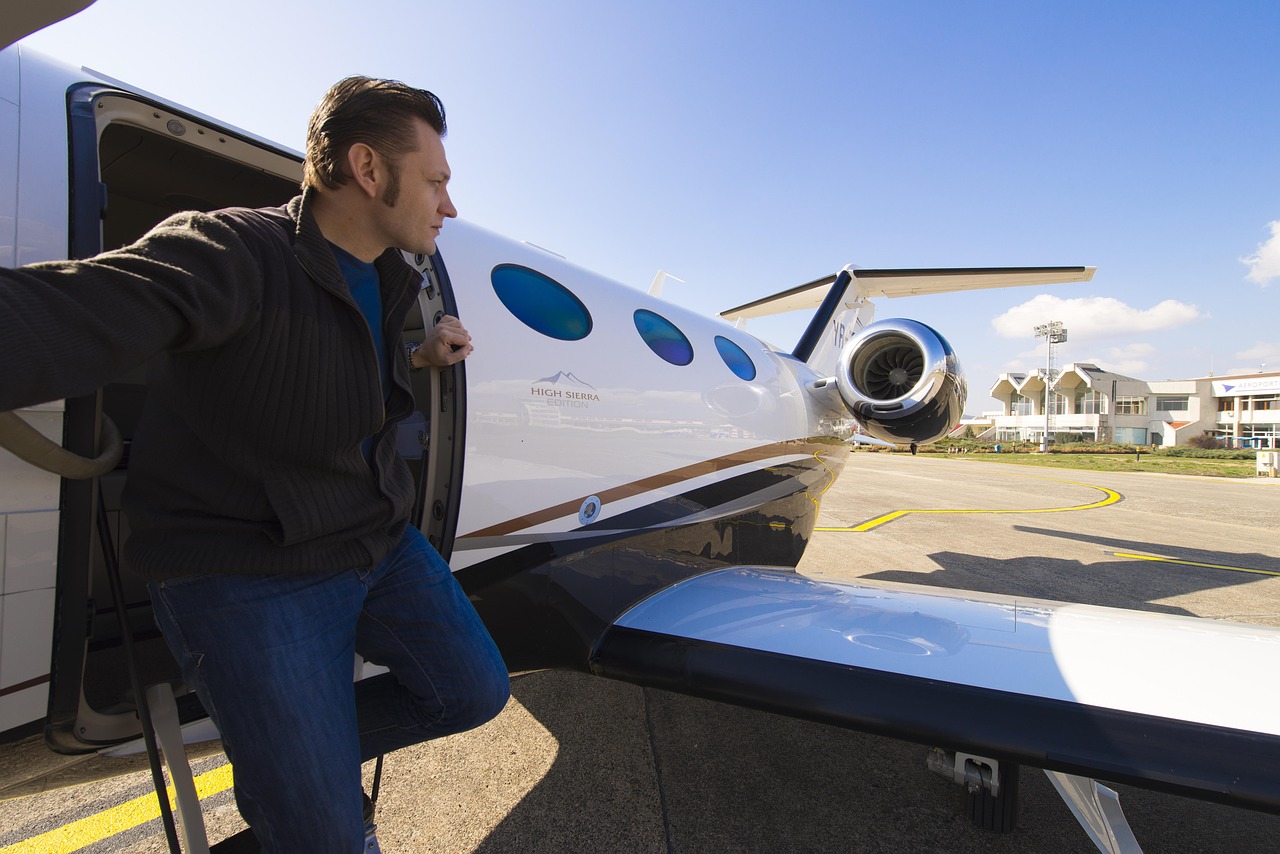
Why a Private Jet Can Transform Your Production
When a film crew is racing against the clock, the usual airport bottlenecks—security queues, baggage handling, and unpredictable flight schedules—can feel like an unyielding hurdle. A private jet sidesteps these obstacles, delivering a seamless transition from ground to air and back, with no waiting or detours. Imagine boarding a cabin that already houses your camera rig, lights, and sound equipment, and taking off as your cast arrives on set. The freedom to choose departure times that sync with your shooting schedule, rather than the whims of commercial airlines, is a game-changer for tight budgets and demanding timelines.
Beyond mere convenience, the private jet experience grants an air of professionalism that can influence morale and perception on set. When the cast and crew know they will arrive in a controlled, secure environment, the focus stays on storytelling rather than logistics. That calmness translates into higher quality footage, fewer missed shots, and an overall smoother production flow. In essence, a private jet is more than a mode of transport; it’s an investment in the creative process itself.
Choosing the Right Aircraft for Your Production Needs
Film crews come in all shapes and sizes, and each project demands a distinct aircraft configuration. A small documentary team might find a midsize jet with a single cabin sufficient, while a high‑budget feature could require a large, multi‑cabined aircraft that separates crew from equipment. Modern charters often offer modular interiors: movable walls, adjustable lighting rigs, and integrated soundproofing panels that can be set up in minutes. The flexibility to reconfigure a cabin between scenes or days means you pay only for what you need, not for an over‑specified space.
When you’re selecting a plane, consider more than seat count. Look at available deck space, cargo hold dimensions, and the ability to accommodate larger rigs—like dolly tracks or crane attachments. Some charters also provide on‑board technicians familiar with the quirks of film equipment, ensuring your gear stays safe and functional during flight. By matching aircraft capabilities to production demands, you avoid costly last‑minute upgrades or compromises that could derail your shooting schedule.
Seamless Scheduling and On‑Demand Flexibility
Time is the currency of every shoot, and delays can snowball into budget overruns. Private jet charters eliminate the dependency on fixed commercial flight slots, allowing you to schedule departures and arrivals around your shooting timetable. If a weather change threatens a day on set, the crew can reposition to a different airport or push back a flight by a few minutes without losing precious daylight or incurring hefty penalties.
Additionally, many charters offer “day‑in‑flight” packages where the crew can remain on board overnight, using the jet as a mobile production hub. This approach is particularly useful for productions that require continuous coverage across multiple locations. By bundling flights, ground transport, and accommodation into a single, coordinated package, the production manager can reduce coordination headaches and focus on creative decisions.
Building a Mobile Studio on the Wings
Modern charters often turn a cabin into a fully functional studio. Sound‑deadening materials, built‑in LED panels, and adjustable boom arms create an environment that rivals a ground‑based set. With a dedicated area for a green screen, directors can shoot key scenes without leaving the jet, ensuring consistency in lighting and background. The ability to bring a full lighting rig, including reflectors and diffusers, means you can maintain visual continuity between shots filmed on the ground and those captured aboard the aircraft.
Onboard sound systems can be configured to accommodate dialogue pickups, ensuring that the audio captured on the jet is clean and ready for post‑production. Moreover, having a portable studio aboard means you can test lighting setups or rehearse complex camera movements in a controlled environment, saving time and resources that would otherwise be spent on set trials.
Cost Efficiency: More Than Just the Ticket Price
While the headline cost of a private jet can seem steep, a deeper look often reveals hidden savings. When you factor in ground transportation, airport taxes, and the time spent in line for security, the jet’s hourly rate can actually be more economical for high‑intensity shoots. There’s also the intangible benefit of reducing the crew’s downtime—fewer idle hours mean less overtime and a smoother workflow.
Charters frequently offer all‑inclusive packages that cover fuel, crew, and maintenance, eliminating the surprise line items that can inflate a budget. By consolidating logistics into a single contract, producers can negotiate bulk rates and secure predictable expenses, which is a boon for productions with tight financial constraints.
Navigating Legalities and Regulatory Hurdles
Filming on a private jet introduces unique regulatory considerations. The crew must obtain the appropriate FAA flight permits, and in some cases, state and local filming permits if the jet lands in regulated airspaces. Many charter operators maintain a compliance team that handles all necessary paperwork, ensuring that no legal hurdle stalls the production.
Additionally, crews need to be aware of “no‑fly” zones, especially near military bases or national parks. Pre‑flight coordination with aviation authorities guarantees that the chosen route respects these restrictions, thereby avoiding costly detours or last‑minute cancellations. By delegating these responsibilities to experienced charter providers, producers can focus on creative priorities while staying within the bounds of aviation law.
From Blockbusters to Indie Gems: Real‑World Examples
Hollywood has embraced jet charters for high‑profile projects such as the recent “Skyward” epic, where the crew flew between remote locations while preserving continuity. Indie filmmakers have leveraged smaller jets for “The Long Road,” a road‑trip drama that required a mobile set to capture intimate, real‑time footage. In both cases, the jet provided a controlled environment that minimized weather disruptions and allowed for on‑the‑fly adjustments to lighting and staging.
These projects illustrate that whether the budget is multi‑million dollars or modest, a private jet can level the playing field by providing the same logistical advantages previously reserved for blockbuster productions. The common thread across these successes is the ability to maintain schedule integrity, reduce on‑set stress, and elevate production quality.
Greening the Skies: Sustainable Charter Options
With the industry’s growing emphasis on environmental responsibility, many charter companies now offer carbon‑neutral flights. This is achieved through the use of newer, fuel‑efficient aircraft, the integration of bio‑fuel blends, and the purchase of carbon offsets. For productions that want to showcase their commitment to sustainability, flying a green jet can become part of the narrative, appealing to eco‑conscious audiences and investors alike.
Beyond fuel choices, operators may implement waste‑reduction protocols on board, such as recycling in-flight materials and minimizing single‑use plastics. By opting for a sustainable charter, producers can demonstrate leadership in environmental stewardship, potentially unlocking tax incentives or public relations benefits that further enhance the film’s profile.
Takeaway: Elevate Your Production with the Airborne Advantage
Private jet charter offers an unrivaled blend of flexibility, professionalism, and efficiency that can dramatically reshape the logistics of film and media production. From custom studio setups and on‑call technicians to seamless scheduling and regulatory compliance, the jet becomes a mobile command center that keeps the creative vision intact while trimming downtime and budget headaches.
Whether you’re a seasoned producer or a first‑time filmmaker, choosing the right charter provider can unlock a level of control that traditional methods simply cannot match. As the industry continues to evolve toward more sustainable practices, the private jet remains a powerful tool—ready to lift your project into the next dimension of storytelling.