The Sky Is Not Free
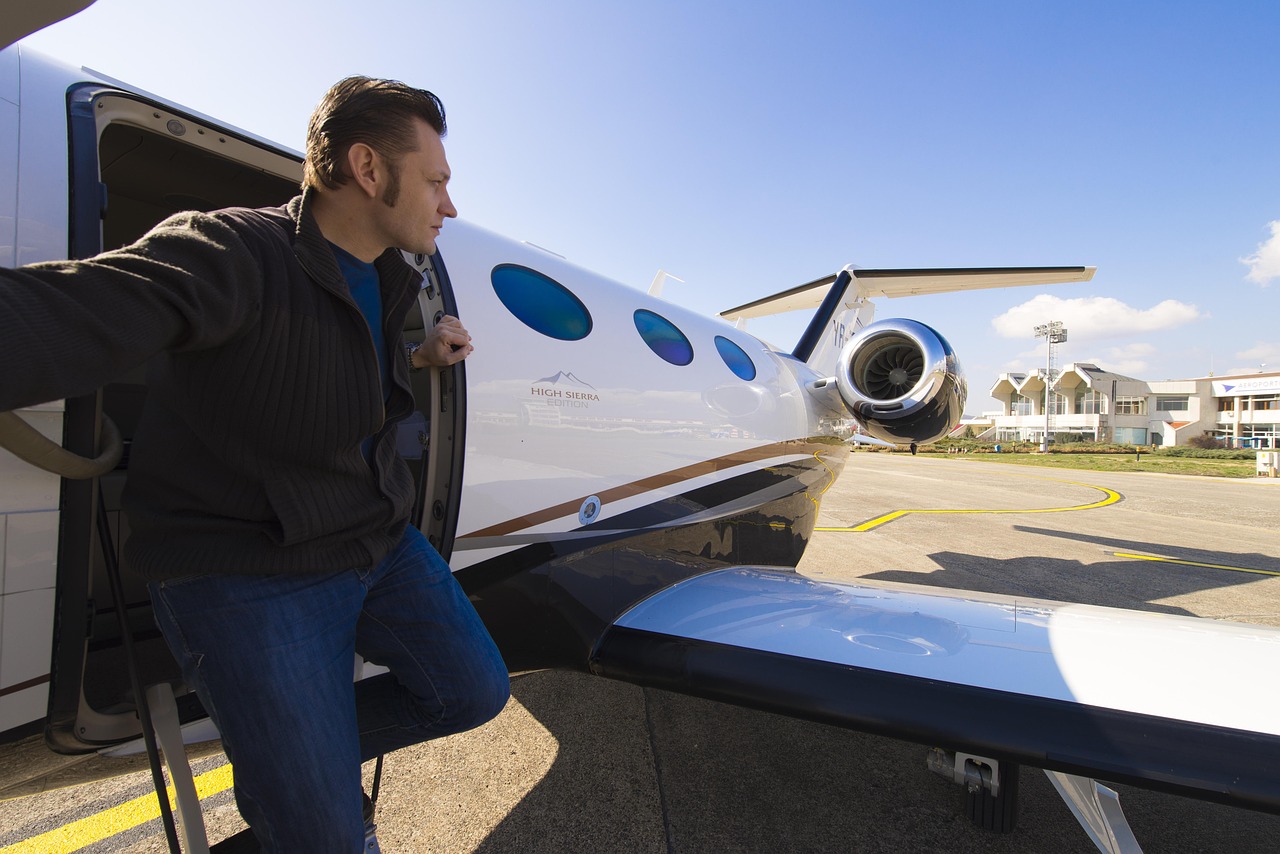
When a billionaire takes a private jet out of the airport, the image conjures images of exclusivity and speed, but the reality beneath the luxury is a stark reminder that the sky itself has a cost. The roar of a jet that can reach Mach 0.85 is accompanied by a cascade of emissions that ripple far beyond the runway, reaching into the atmosphere and influencing climate patterns. As private air travel becomes more common among the affluent, the conversation around its environmental footprint has shifted from niche curiosity to urgent public concern. The very allure of rapid, personalized transport is now intertwined with the weight of carbon that each flight carries. Understanding this paradox is essential for anyone navigating the world of high‑end aviation, especially those who wish to balance privilege with responsibility.
In the quiet moments before departure, a private jet's fuel gauge offers a silent testament to the resources required for one passenger to traverse continents. That single passenger, in a luxurious cabin, consumes the equivalent of several average cars driving across a state in a single flight. Yet the narrative often focuses on convenience while overlooking the environmental ledger that follows each journey. By peeling back the layers of this hidden cost, we uncover the complex relationship between luxury and ecological impact, revealing the hidden truths that lie beneath the jet's gleaming exterior.
Carbon Footprint of a Single Flight
One of the most concrete ways to grasp the environmental weight of private jets is to examine the emissions from a typical trans‑Atlantic flight. A 20‑seat Gulfstream V, for example, burns around 400 gallons of jet fuel per hour. That fuel releases roughly 8.8 kilograms of CO₂ per gallon, translating to over 7,000 kilograms of carbon dioxide for a six‑hour crossing. When compared to the average family car, which emits approximately 4 kilograms of CO₂ per gallon, the jet’s per‑passenger emissions soar by a factor of 12 or more. This stark discrepancy illustrates how luxury travel can dramatically amplify one person’s carbon impact.
Beyond CO₂, private jets also emit nitrous oxides, water vapor, and contrails, which can influence atmospheric chemistry and cloud formation. These secondary effects amplify the warming potential of each flight beyond the initial carbon calculation. Studies estimate that the total climate impact of a single private jet crossing the Atlantic can be up to 20% higher than the pure CO₂ figure would suggest. Thus, every time a private jet lifts off, it carries with it a multi‑layered environmental burden that extends far beyond the visible exhaust plume.
Fuel Efficiency: Private vs Commercial
Fuel efficiency is often highlighted as a key advantage of commercial airlines, but the comparison reveals a nuanced picture. Commercial airliners, designed for mass transport, typically operate at a higher passenger‑to‑fuel ratio than private jets. A Boeing 787, for instance, can seat 250 passengers while consuming 10,000 gallons of fuel per hour, delivering about 40 kilograms of CO₂ per passenger. In contrast, a private jet might carry 10 passengers and use 400 gallons, resulting in 700 kilograms per person. The disparity is evident: private jets expend far more fuel per traveler.
However, efficiency is not the sole determinant of environmental impact. The age and technology of the aircraft play significant roles. Newer private jets equipped with advanced aerodynamics and lighter composite materials can reduce fuel burn by up to 15% compared to older models. Yet even with these improvements, the per‑passenger efficiency of a private jet rarely approaches that of a commercial jet. Consequently, while advancements in design help mitigate some emissions, the fundamental mismatch in passenger capacity remains a critical factor.
Flight Planning and Operational Practices
Operational habits can either exacerbate or alleviate the environmental toll of private aviation. Many charter operators rely on pre‑flight weather models that are less detailed than those used by commercial fleets, leading to less efficient routing and potentially longer flight times. In contrast, commercial airlines employ sophisticated flight planning systems that optimize speed, altitude, and fuel burn, thereby reducing emissions per mile. When private operators adopt similar technology, they can achieve measurable savings.
Additionally, the practice of “cruise‑altitude” selection is pivotal. Jets often fly at higher altitudes than necessary, increasing fuel consumption due to the need for higher thrust to maintain lift. By adhering to optimal cruise altitudes, private operators can shave significant fuel off each leg. Some charter services now implement “green flight” plans, incorporating real‑time weather data, turbulence avoidance, and dynamic route adjustments. Such practices illustrate that the environmental cost of private jets is not fixed but can be meaningfully reduced through better operational choices.
Noise Pollution and Local Communities
While carbon emissions dominate headlines, the auditory impact of private jets can be just as disruptive to surrounding communities. The intense roar of a jet during takeoff and landing generates noise levels that exceed those of commercial airports by 5 to 10 decibels. For residents living near small private airstrips, this noise can translate into chronic hearing damage, sleep disturbances, and reduced quality of life. Even in rural settings, the quiet of the night is shattered by the thundering approach of a private jet.
Noise pollution also exerts ecological pressures on wildlife. Studies have shown that frequent high‑frequency noise can alter migratory patterns of birds, disturb nesting habits of mammals, and even affect plant pollination by disrupting the presence of pollinators. As private jets become more common in remote areas, these environmental stressors accumulate, threatening local biodiversity. Addressing noise impact requires more than just soundproofing; it demands stricter flight curfews, quieter engine designs, and community engagement to mitigate harm.
Regulations, Standards, and Compliance
Governments around the world have begun to tighten the regulatory framework surrounding private aviation, recognizing its outsized environmental footprint. In the European Union, the EU Emissions Trading System now includes certain segments of private jet traffic, compelling operators to purchase carbon allowances or invest in offset projects. In the United States, the FAA has introduced voluntary “Green Aviation” initiatives that encourage airlines and operators to adopt sustainable practices, including the use of sustainable aviation fuels (SAFs).
While these measures represent progress, compliance remains uneven. Many small operators lack the resources to meet stringent reporting standards or to transition to new fuel types. Furthermore, the lack of a unified global benchmark means that some jurisdictions still allow private jets to operate with minimal oversight, perpetuating environmental disparities. Bridging this gap requires international cooperation, transparent reporting mechanisms, and incentives that reward eco‑friendly operations.
Innovations and Sustainable Aviation Fuel
Technological advances offer a promising pathway to decouple private jet travel from high emissions. The most significant of these is the development of sustainable aviation fuel, produced from algae, agricultural waste, or synthetic processes that mimic jet fuel properties while capturing CO₂ during production. Early pilots of SAFs have shown reductions in lifecycle emissions of up to 80% compared to conventional jet fuel. For private operators willing to invest in these fuels, the environmental cost of each flight can shrink dramatically.
Other innovations complement SAF adoption. Hybrid‑electric propulsion systems, lightweight composite structures, and aerodynamic refinements—such as winglets designed to reduce drag—are already being tested in small jet prototypes. While these technologies are still in developmental stages, their potential to lower fuel burn, decrease emissions, and reduce noise is significant. Private jet manufacturers are increasingly integrating these features into new models, signaling a shift toward greener high‑performance aviation.
What You Can Do: Personal Responsibility and Choices
For passengers and owners alike, the decision to fly on a private jet carries an ethical dimension that extends beyond personal convenience. One tangible way to lessen environmental impact is to consider the necessity of the flight; opting for virtual meetings or commercial flights can reduce emissions substantially. When a private jet is unavoidable, selecting operators that employ the latest efficiency technologies, use sustainable fuels, or adhere to green flight plans makes a measurable difference.
Investing in carbon offset programs tailored to aviation—such as reforestation projects or renewable energy initiatives—offers a way to neutralize the residual emissions that cannot yet be eliminated. By pairing offset purchases with transparent reporting from the operator, travelers can ensure that their contributions directly support meaningful climate action. In essence, every choice in the aviation chain, from booking to fuel selection, shapes the broader environmental narrative.
Flight Forward: A Clear Takeaway
Private jet travel exemplifies the tension between luxury and environmental stewardship. The sheer scale of emissions, fuel inefficiency, and noise disturbances illustrates that each flight carries a weight that far exceeds what the eye can see. Yet, the industry is not static. Innovations in sustainable fuels, advanced flight planning, and regulatory frameworks are steering private aviation toward a more responsible future. The ultimate responsibility, however, lies not only with operators but also with the travelers who choose the skies. By aligning personal choices with emerging green technologies and policies, passengers can help transform the private jet experience into a model of environmental accountability.
In the end, the environmental impact of private jets can be understood as a clear, measurable set of trade‑offs. Each decision—from the design of the aircraft to the selection of a flight path—contributes to a cumulative effect that either amplifies or mitigates the jet’s carbon footprint. Recognizing this agency empowers individuals and companies alike to steer the industry toward a horizon where opulence and sustainability coexist, ensuring that the luxury of flight does not come at the expense of our planet.