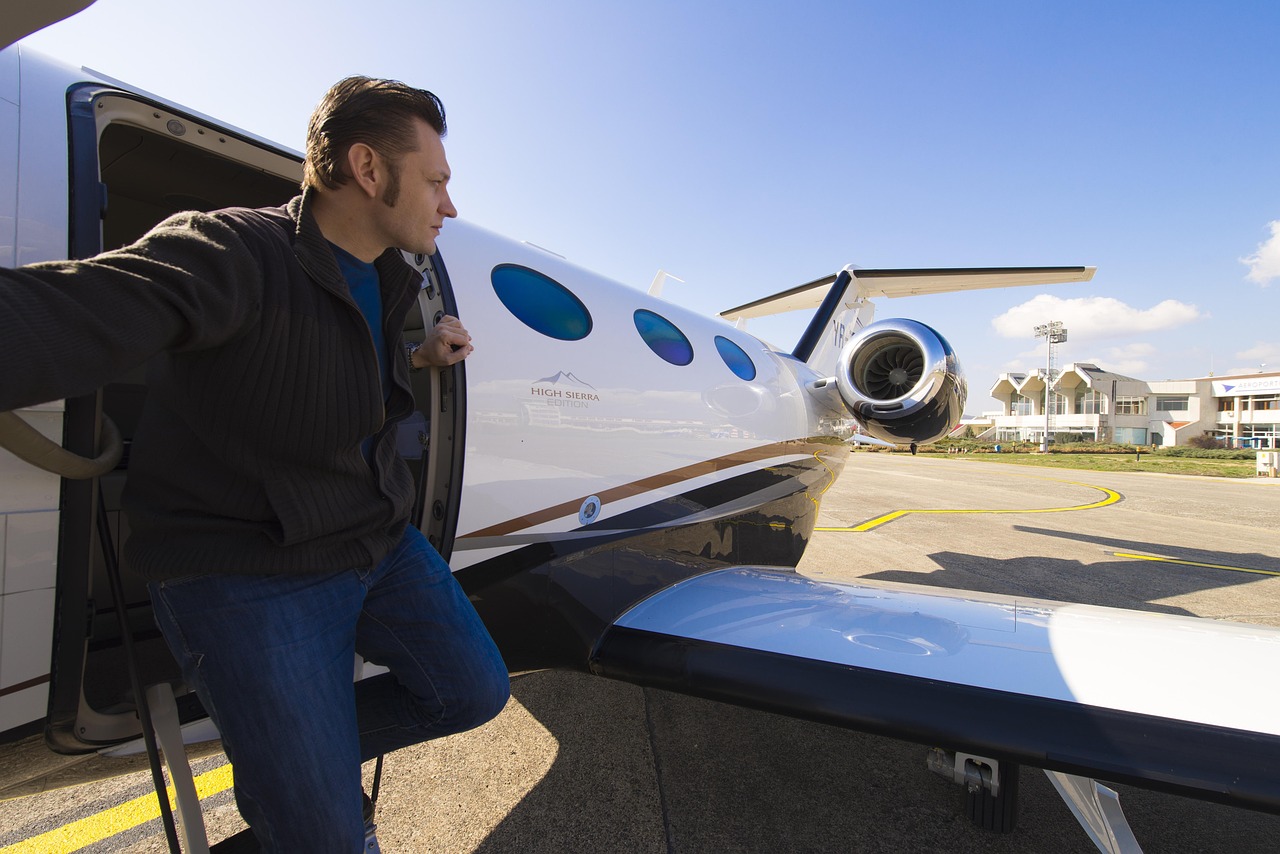
The First Impressions: Speed, Privacy, and Perception
When most people think of private aviation, they imagine a gleaming jet slicing through clouds, a seamless escape from the bustle of commercial airports. That image, while romantic, often masks a deeper reality: the safety protocols that make such journeys exceptionally secure. From the moment a passenger steps onto a private airfield, a meticulous chain of checks begins, far more personalized than the mass‑served environment of a commercial terminal. The intimacy of the experience allows for tighter control over every variable, from ground crew readiness to the specific aircraft’s maintenance status.
Yet, the allure of speed can be a double‑edged sword. Faster travel is not synonymous with risk; rather, it demands heightened precision. Private jets are equipped with advanced avionics that provide pilots with real‑time data, enabling rapid decision making and continuous situational awareness. Combined with the ability to bypass congested air corridors, the result is a flight that feels almost instantaneous while still adhering to the highest safety standards. In this way, the perception of danger is often outweighed by the tangible safeguards in place, making private aviation a surprisingly safe choice.
Moreover, the very act of choosing a private flight initiates a conversation between passenger and operator about expectations and comfort. Operators are not only responsible for delivering passengers to their destination; they also serve as partners in ensuring a secure journey. This dialogue fosters trust, a critical component in any high‑risk activity. When passengers feel heard and supported, their confidence in the safety measures taken increases, creating a positive feedback loop that reinforces the industry's dedication to excellence.
Stringent Pilot Standards: Training, Experience, and Certification
Pilots of private aircraft are held to rigorous standards that exceed the baseline required for commercial aviation. Beyond holding a commercial pilot’s license, they often possess a private jet rating, multiple instrument endorsements, and extensive flight hours on high‑performance aircraft. These credentials are the result of years of disciplined training, continuous skill refinement, and a commitment to mastering complex flight dynamics. The depth of experience translates into quicker, more accurate responses to changing conditions.
In addition to formal qualifications, private pilots routinely engage in recurrent training modules that focus on emergency procedures, cross‑wind landings, and systems troubleshooting. Simulation platforms recreate a wide array of scenarios, from engine failure to severe turbulence, allowing pilots to rehearse responses without real‑world consequences. This level of preparation instills a mental agility that is essential for maintaining safety margins during every flight.
The relationship between pilot and operator is also integral to safety. Operators cultivate a culture of open communication, encouraging pilots to share observations and concerns. This collaborative environment ensures that potential issues are identified early and addressed promptly. By fostering trust and accountability, private aviation creates a safety ecosystem that is responsive, adaptive, and highly resilient.
Rigorous Aircraft Maintenance: Beyond the Ordinary
Private aircraft maintenance follows a meticulous regime that surpasses the typical checklists of commercial fleets. Each aircraft undergoes daily pre‑flight inspections that scrutinize every critical component, from hydraulic systems to avionics. The level of detail is amplified by the fact that each flight can be tailored to specific itineraries, requiring customized adjustments and verification steps.
Maintenance teams are required to maintain up‑to‑date records of all service actions, often leveraging digital platforms that allow for real‑time tracking of component lifespans, usage hours, and repair history. This transparency enables operators to anticipate maintenance needs before they become critical, reducing the risk of unexpected failures. The use of predictive analytics has become a cornerstone of modern private aviation maintenance, turning data into actionable safety insights.
Additionally, the use of high‑quality materials and systems in private jets—such as titanium engine mounts, composite wing skins, and state‑of‑the‑art fuel systems—means that these aircraft are designed for durability and reliability. When combined with a proactive maintenance culture, these design choices create a platform that resists wear and tear, even under demanding operational profiles. The result is a fleet that consistently demonstrates high reliability rates and minimal unscheduled downtime.
Advanced Flight Planning and Navigation Systems
Flight planning in the private sector is an art that integrates weather analysis, airspace restrictions, and runway performance with precision. Flight planners use sophisticated software that ingests real‑time meteorological data, enabling the creation of flight paths that avoid turbulence, icing, and other hazardous conditions. This proactive approach ensures that pilots are already operating in the safest possible environment when they take to the skies.
Once airborne, pilots rely on advanced navigation systems that blend traditional radio navigation with satellite‑based augmentation. Modern private aircraft often feature integrated avionics suites that provide real‑time terrain awareness, obstacle avoidance, and automatic terrain clearance. These systems constantly update the aircraft’s position relative to potential hazards, giving pilots an extra layer of situational awareness that can prevent accidents before they occur.
The synergy between meticulous planning and cutting‑edge navigation means that private flights can often be executed at higher speeds and lower altitudes without compromising safety. By leveraging the best available data and technology, operators and pilots craft flight paths that minimize exposure to risk while maintaining efficient travel times.
In‑Flight Safety Protocols and Emergency Preparedness
Beyond the ground and pre‑flight stages, safety remains paramount in the air. Private aircraft are equipped with comprehensive emergency systems that include fire suppression units, oxygen masks, and emergency locator transmitters. Pilots are trained to manage these systems effectively, ensuring that any issue is addressed with speed and precision.
Emergency drills are conducted regularly, often in simulated scenarios that replicate a wide range of contingencies—from engine failure to cabin depressurization. These drills not only reinforce pilot proficiency but also enhance teamwork between crew members and passengers. The training emphasizes clear communication, calm decision making, and efficient execution of protocols that can be the difference between a safe outcome and a tragic one.
Moreover, private aviation operators invest in onboard medical support, providing essential resources such as first‑aid kits and trained crew who can administer emergency medical care. This layered approach to safety—combining state‑of‑the‑art equipment, rigorous training, and supportive personnel—creates an environment where risk is managed proactively, not just reactively.
Regulatory Oversight: More Than Just a Checkmark
Regulatory frameworks for private aviation are designed to enforce strict compliance with safety standards that go beyond mere paperwork. Civil aviation authorities mandate that operators undergo regular audits, which examine everything from maintenance procedures to pilot logs and operational protocols. These audits are not perfunctory; they involve detailed examinations, on‑site inspections, and sometimes surprise checks.
Operators must also obtain special operating certificates that require them to demonstrate adherence to a higher standard of safety management systems. This includes having a safety management officer who monitors safety performance, investigates incidents, and implements corrective actions. The presence of such dedicated roles elevates the overall safety culture within the organization, ensuring that potential hazards are identified and addressed promptly.
Furthermore, international cooperation among aviation regulators means that best practices are shared and adopted across borders. Private operators often participate in global safety forums, where they benchmark their procedures against the latest industry standards. This collaborative environment ensures that private aviation remains at the cutting edge of safety, benefiting from collective knowledge and shared expertise.
The Role of Technology: From Sensors to AI
Technology is the backbone of modern private aviation safety. Aircraft are outfitted with an array of sensors that continuously monitor engine performance, structural integrity, and environmental conditions. These sensors feed data into onboard systems that can detect anomalies before they develop into critical failures.
Artificial intelligence and machine learning algorithms analyze this data in real time, predicting maintenance needs and optimizing flight operations. For example, predictive maintenance tools can forecast when an engine component is likely to fail, allowing operators to replace it proactively. This reduces the chance of in‑flight engine problems and extends the operational lifespan of the aircraft.
Beyond mechanical systems, technology also enhances the passenger experience in ways that indirectly support safety. For instance, in‑flight connectivity and real‑time weather updates allow passengers to stay informed and engaged. When passengers feel connected and reassured, they are more likely to follow safety instructions and cooperate during emergencies, creating a safer overall environment.
Passenger Experience: Comfort Meets Safety
The perception of safety is amplified when passengers feel comfortable and at ease. Private aviation offers a level of personalization that standard commercial flights cannot match. From customized cabin layouts to tailored meal services, every detail is curated to ensure a serene environment.
Such comfort translates into psychological safety. When passengers are relaxed, they are less likely to become agitated during turbulence or other in‑flight events. A calm cabin atmosphere also enables crew members to communicate safety instructions more effectively, as passengers are more receptive to guidance and less likely to be distracted.
In addition, private flights often use smaller aircraft that require pilots to land at a greater variety of airports, some of which have shorter runways or unique operational challenges. Pilots who routinely navigate these conditions bring invaluable expertise to the flight, further enhancing safety for all on board.
The Bottom Line: Confidence in the Skies
When you look beyond the glossy exterior of a private jet, you discover a complex tapestry of rigorous standards, advanced technology, and a culture that prioritizes safety above all else. From the pilot’s deep expertise to the meticulous maintenance regime, every layer of private aviation is designed to minimize risk while maximizing comfort and efficiency.
In an era where safety is often questioned, private aviation stands as a testament to what can be achieved when dedication, innovation, and oversight converge. The industry's commitment to continuous improvement ensures that every flight is not just a shortcut to a destination, but a journey undertaken with the highest assurance of safety.
So the next time you contemplate a private flight, remember that behind the speed and luxury lies an intricate safety system built on trust, technology, and unwavering professionalism. That is the true reason why private aviation is safer than you think.