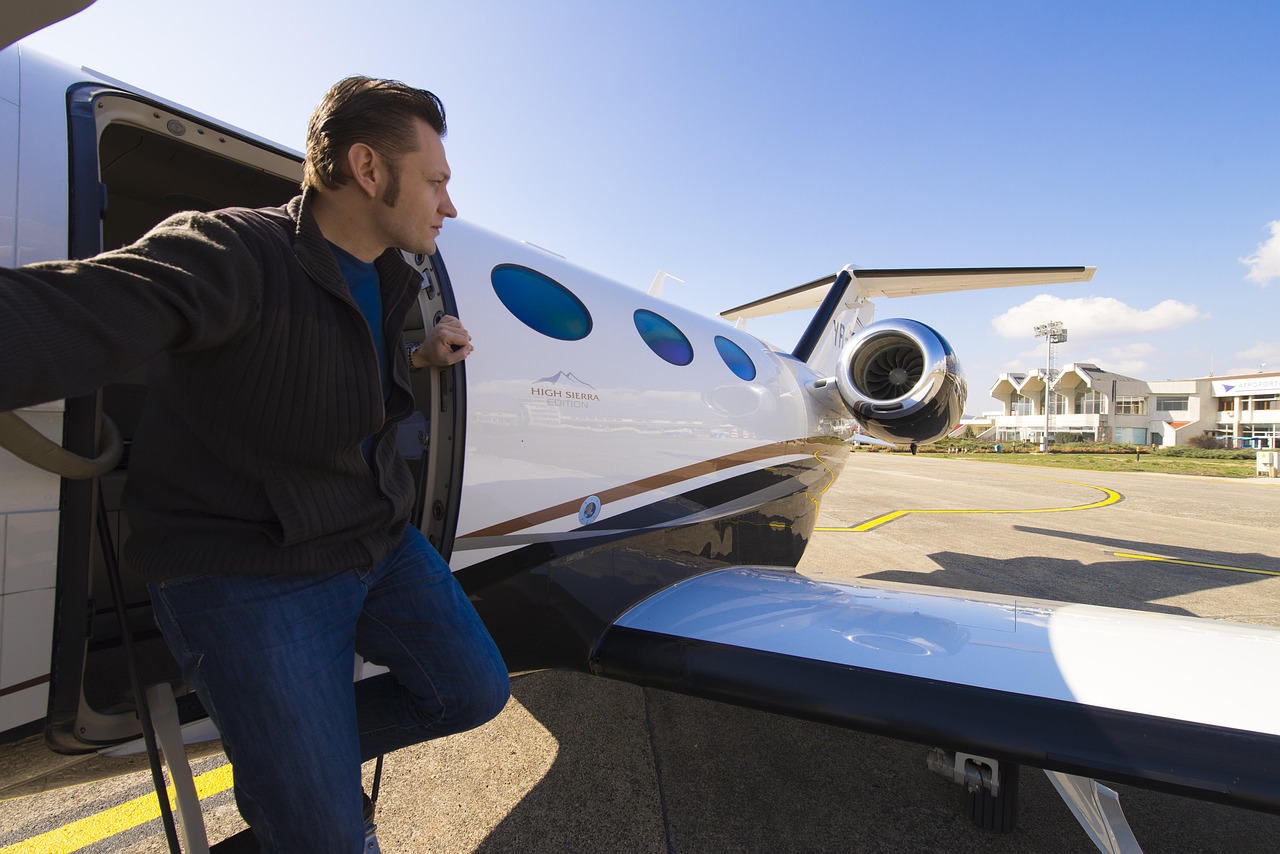
Imagine a Journey Unshackled
Picture yourself stepping off a sleek, quiet runway rather than huddled in a crowded terminal, your personal aircraft waiting just moments after your arrival. Private aviation turns the notion of travel from a logistical chore into a curated experience, where time, comfort, and exclusivity intertwine seamlessly. It’s not merely about bypassing lines; it’s about reclaiming the freedom to travel on your own terms. This paradigm shift echoes a broader cultural movement toward personalization and immediacy, resonating with a generation that values experiences as much as destinations. When the world’s most demanding schedules begin to feel stifling, the private jet emerges as a beacon of possibility, promising a new horizon where travel is no longer a constraint but a catalyst for life’s ambitions.
In the heart of every bustling metropolis, the private aviation ecosystem operates as a quiet, efficient engine. Airports and airlines have long been bound by legacy systems, infrastructure, and the relentless rhythm of mass transit. Private jets, by contrast, function on an agile, client-focused model that dissolves these barriers. Each flight is meticulously tailored to the traveler’s itinerary, a choreography of arrival and departure times that aligns with personal and professional commitments. This flexibility rewrites the rules of engagement with time, transforming what once was a logistical burden into a strategic advantage.
Moreover, the allure of private aviation extends beyond the mere avoidance of queues; it embodies a lifestyle where control, privacy, and a sense of belonging are paramount. In an age where information is abundant yet authenticity is scarce, the personal space afforded by a private jet offers a sanctuary that fosters creativity, reflection, and focused dialogue. Whether a CEO seeks a quiet boardroom in the skies or a family wants a safe passage for a vacation, the aircraft becomes a mobile venue, offering a stage that adapts to every need.
Flexibility and Time Savings Unleashed
The core of private aviation’s appeal lies in its unparalleled flexibility. Imagine booking a flight on short notice, with departure times that match your personal schedule instead of a pre-set timetable. Conventional airlines juggle millions of passengers, each with fixed gates and slots; private jets sidestep this congestion by operating from a network of smaller airports and helipads, often close to your destination. The result is a dramatic reduction in travel time—from hours of commuting to minutes of flight—plus the ability to bypass the tedious arrival procedures that plague large airports.
Time saved on the ground translates directly into productivity. For business travelers, those extra hours can be leveraged for meetings, briefings, or even rest before a critical presentation. In the realm of global commerce, the ability to pivot swiftly between markets can mean the difference between seizing an opportunity and letting it slip away. Entrepreneurs and executives alike recognize that a flexible itinerary is a competitive advantage, turning travel into a strategic asset rather than a cost center.
Beyond logistics, private aviation’s time efficiencies ripple into personal life. With direct flights to and from the nearest airports, families can avoid the long drives to commercial hubs, reducing travel fatigue for both adults and children. This ease allows travelers to arrive rested and refreshed, ready to explore or engage in meaningful conversations rather than succumbing to the exhaustion that follows a conventional travel day. In short, the time economy of private jets redefines how we value and spend our most precious resource: time itself.
Personalization and Privacy Redefined
When you book a private flight, you are not merely reserving a seat—you are commissioning a bespoke experience. The interior of a private aircraft can be configured to mirror your preferences, from the choice of seating fabrics and lighting to the exact menu of meals served. Whether you prefer a quiet, dimmed cabin for a strategic discussion or an open, bright space for a celebratory toast, the aircraft adapts to your vision, providing a level of customization that is simply impossible in commercial aviation.
Privacy is the natural byproduct of this bespoke service. In a commercial setting, your conversation is inevitably overheard by strangers or intercepted by an entire airport crowd. On a private jet, the intimate environment allows confidential negotiations, candid reflections, or simply a quiet moment of solitude to be enjoyed without intrusion. This level of discretion is invaluable for high-profile individuals, government officials, and anyone who requires a secure channel for sensitive discussions.
Moreover, the personalization extends beyond the cabin. From pre-flight concierge services that arrange ground transport, tailored itineraries, and even cultural introductions to post-landing assistance, every touchpoint is meticulously crafted to anticipate and fulfill the traveler’s needs. This continuum of care transforms travel into an immersive journey, where each step is curated to elevate comfort, efficiency, and enjoyment.
Safety and Health at the Forefront
Safety is a foundational pillar of the private aviation experience. With smaller, well-maintained fleets and highly skilled pilots, the sector boasts an impressive safety record. Furthermore, the ability to operate from less congested airports reduces exposure to air traffic delays and the hazards associated with heavy air traffic volumes. Each flight is tailored to minimize risk by selecting optimal routes and times, ensuring a smoother and safer journey.
Health considerations have also become central to the modern traveler’s priorities. In an era where airborne illnesses and environmental pollutants are increasingly visible concerns, the controlled environment of a private jet offers a sanctuary away from crowded spaces and the variable hygiene standards of large commercial hubs. Dedicated cleaning protocols, reduced cabin density, and the ability to manage ventilation all contribute to a safer, more health-conscious travel experience.
Beyond the physical dimensions, the operational protocols in private aviation emphasize strict adherence to safety standards. Pilots undergo rigorous training, and aircraft are subjected to frequent, comprehensive inspections. These practices not only reduce the likelihood of incidents but also cultivate confidence among passengers, reassuring them that their safety is the paramount concern.
Environmental Innovations on the Horizon
Contrary to the long-held perception that private aviation is inherently unsustainable, the industry is rapidly adopting a suite of eco-friendly innovations. Hybrid-electric propulsion systems, biofuels, and carbon offset programs are becoming integral to the operational model, reducing emissions per passenger mile and challenging the notion that luxury equates to environmental harm.
Moreover, the flexibility of private jets allows for more efficient routing. Instead of filling large commercial aircraft that may only be a fraction full, a private jet can match passenger demand with aircraft capacity, thereby minimizing wasteful fuel consumption. By flying smaller, more efficient aircraft on short, direct routes, the sector can significantly reduce its carbon footprint while delivering premium service.
Investments in advanced avionics and flight management systems also contribute to sustainability. Real-time data analytics enable pilots to optimize flight paths, reduce unnecessary fuel burn, and lower noise pollution around airports. As the industry embraces these technologies, the private aviation sector demonstrates that responsible travel can coexist with exceptional service and convenience.
Business Efficiency Elevated
For corporations, the return on investment in private aviation extends far beyond the perceived luxury. The agility to convene meetings on the fly, transport critical personnel across continents, and access remote locations without the downtime associated with commercial flights can accelerate project timelines and foster innovation. When a senior executive can arrive in the next city within an hour, the potential for rapid decision-making multiplies.
Moreover, the private jet’s capacity to transport high-value assets—whether a critical piece of equipment or delicate artwork—ensures that businesses can move resources securely and on schedule. The reliability of a private charter eliminates the unpredictability of commercial air traffic, thereby safeguarding the continuity of operations and mitigating revenue loss from missed opportunities.
In addition, the networking possibilities inherent in private aviation cannot be overstated. A flight can serve as a mobile conference, a platform for cross-functional collaboration, or a venue for client engagement. The intimate setting fosters deeper conversations and strengthens relationships, creating value that far outweighs the upfront cost of chartering.
Future Outlook and Lasting Impact
The trajectory of private aviation is unmistakably upward. Technological advancements, heightened consumer demand for personalized experiences, and a growing emphasis on sustainability are converging to redefine the travel landscape. As electric and hybrid aircraft edge closer to commercial viability, the environmental narrative that once hindered the industry is being rewritten. Coupled with the expanding global network of regional airports and the rise of digital charter platforms, the accessibility of private aviation is poised to reach a broader demographic.
Simultaneously, the sector is evolving to address the needs of a post-pandemic world, prioritizing health protocols, flexible booking models, and integrated digital experiences. The private jet will not only remain a symbol of status but also a practical tool for efficiency and wellbeing. Its unique blend of speed, privacy, and adaptability positions it as an indispensable mode of transportation for the modern traveler—be it a corporate leader, a creative professional, or a discerning family seeking a seamless, safe, and eco-conscious journey.
In essence, private aviation is not merely a luxury; it is a forward-thinking solution that aligns with our contemporary values of time, security, personalization, and responsibility. By embracing this mode of travel, we tap into a future where mobility is not constrained by infrastructure or schedules, but empowered by innovation and human-centric design. The private jet, with its quiet flight over the horizon, stands as a testament to how the skies can elevate not just our destinations, but our entire approach to moving through the world.