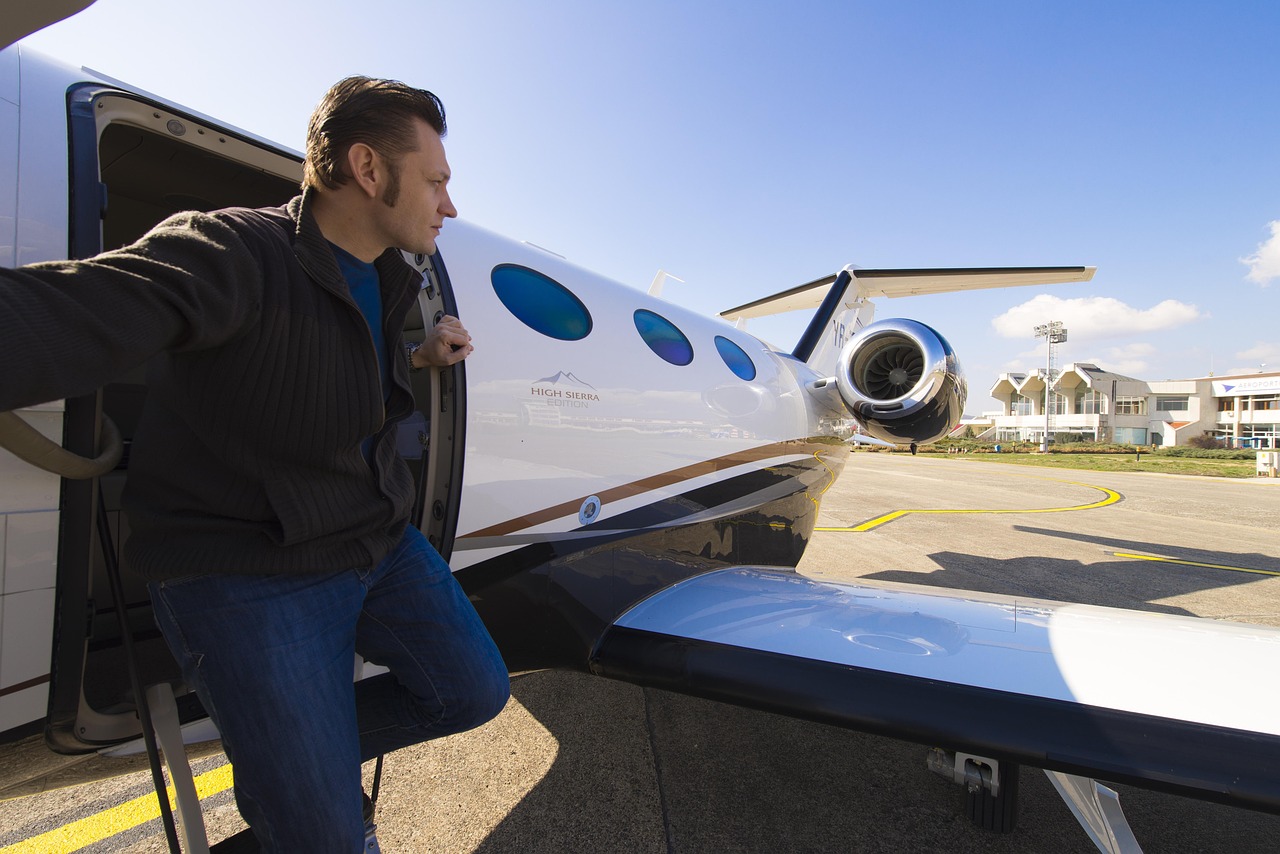
Remote Destinations: A New Frontier for Private Jet Travel
Picture a remote valley, pristine lakes, and towering peaks that seem to touch the sky. Only a single jet, with a whisper of contrail, can glide to a short, unpaved strip that borders that wilderness, allowing you to step off the runway and into an untouched world. The idea of adventure takes on a new dimension when the journey bypasses the usual congestion of commercial airports, where every minute feels like a chore. A private jet, in contrast, arrives on schedule, lands at a small airstrip minutes away from your final destination, and hands you the keys to a personal sanctuary. In this way, the airplane becomes less a means of transport and more an invitation to explore a place that would otherwise remain a distant dream.
Imagine standing on a windswept plateau, the sun painting the sky with hues of gold and crimson, while the only sounds are the distant call of wildlife and the gentle hum of your private jet's engines as it descends. Commercial flights would have you linger on the runway, wait for a gate, then travel by road through a maze of highways that could take hours. With a private aircraft, the journey is stripped to its essence: lift, travel, and disembark directly at a point where the air meets earth. The result is a seamless flow that preserves the magic of the remote setting. Moreover, the ability to arrive precisely when the sunset is at its peak or the snow is freshly fallen means you can witness moments that would otherwise be lost in a scheduled timetable.
From a logistical perspective, private jets unlock a realm where distance becomes a choice rather than a constraint. When you think of remote destinations—cliffside monasteries, secluded tropical islands, or hidden mountain lodges—the barrier often lies not in the distance itself but in the infrastructure that connects you to those places. By choosing a private charter, you shift the narrative from 'I have to travel' to 'I get to travel', setting the stage for a personalized adventure that starts the moment you step onto the tarmac. This opening premise is the foundation upon which every subsequent benefit builds.
Time Efficiency: From Gate to Destination in Minutes
Travelers who dream of remote retreats often face a paradox: the longer the journey, the greater the allure of the destination. Yet the very same allure is compounded by the waiting time at crowded hubs. With a private jet, the clock starts ticking the moment you board, not when you arrive at a massive terminal. The ability to skip security lines, forgo cumbersome check‑ins, and bypass the congested taxiways of a busy airport slashes hours off your itinerary. When you land at a small airfield tucked away from the urban maze, you are already close to the final point of interest, ready to disembark and continue your adventure without any additional transfer.
Because private aircraft operate on your timetable, you can schedule a departure at the exact hour that suits your plans. That flexibility means you can fly at dawn to avoid afternoon heat or wait for a clear window in unpredictable weather conditions. Flights also benefit from direct routing, often taking the shortest possible path between airports, which can cut travel time by a significant margin compared to commercial flights that must adhere to preset airway restrictions. In essence, a private jet turns a long trip into a focused, streamlined experience that respects both your time and the remote destination’s natural rhythm.
Accessibility: Reaching the Unreachable
Many remote wonders are hidden beneath layers of cloud, surrounded by rugged terrain, or simply located beyond the reach of standard commercial aviation. Private jets, however, can touch down on gravel strips, water runways, or even helipads that sit within minutes of a hidden canyon or a secluded beach. These alternate airports not only reduce the distance between your flight and the final destination but also offer a sense of adventure that commercial flights can never replicate. The intimacy of a small airfield, where the aircraft is greeted by a local pilot instead of a bustling control tower, transforms the arrival into a personal encounter with the locale.
Private operators are accustomed to flying in variable conditions, and many aircraft are equipped with advanced navigation systems that can handle low‑visibility scenarios. If a storm forces a detour, the crew can choose a nearby alternative that still keeps you close to your destination, while commercial airlines might be required to reroute to a major hub. Moreover, ground handling at these small airports is often less formalized, allowing you to disembark quickly and continue your journey on foot or by a short transfer, preserving the immediacy of your adventure.
Privacy and Comfort: A Sanctuary in the Skies
One of the most compelling aspects of a private jet is the sanctuary it offers for travelers who value solitude and focus. In a world where airports are crowded with strangers, announcements, and the constant hum of engines, a private cabin becomes a bubble of calm. You can schedule your meal at the exact time you wish, enjoy a customized menu, and have your personal space undisturbed by passengers from unrelated itineraries. That level of privacy turns a simple flight into an intimate experience that prepares you for the unique atmosphere of a remote destination.
The cabin can be configured to meet any preference, from a quiet library setup with dimmed lighting and soft music to a lounge with comfortable seating and a personal bar. Advanced soundproofing and climate control systems create an environment that feels like a private hotel room, not a shared aircraft. Crew members, often highly trained and attentive, are at your service for any need—whether that’s adjusting the cabin temperature, arranging a specialty beverage, or providing a bespoke itinerary for the day. This level of tailored service ensures that the transition from the sky to the land is as smooth as the flight itself.
Flexibility in Scheduling: Your Time, Your Rules
Private charters are designed around the client’s needs rather than a predetermined schedule. If you’re planning a sunset picnic in a secluded valley, the pilot can adjust departure times to ensure you arrive just as the horizon blushes. In contrast, commercial flights lock you into a timetable that may miss the exact moment you wish to experience. This flexibility extends beyond timing; it includes the ability to cancel or reschedule on short notice, allowing you to adapt to sudden weather changes or personal emergencies without the stress of rebooking a seat.
In many remote regions, the nearest commercial airport is a hub that operates on a fixed schedule and may have limited gate availability during peak tourist seasons. A private jet bypasses those limitations entirely, as it can land at smaller airports that do not require a gate or even use a private airstrip owned by a resort. This means that you can depart when you are ready, rather than waiting for the next commercial flight slot, and you can also arrive at any hour, including overnight, to enjoy the quiet moments before the day breaks.
Safety and Reliability: Trustworthy Access to the Wild
Safety is an undeniable cornerstone of the private jet experience, particularly when traveling to isolated locales where emergency services are scarce. Modern private aircraft are built to higher standards of construction, undergo rigorous maintenance checks, and are flown by pilots with extensive hours of flight experience, many of whom have earned additional certifications in remote‑area operations. Their knowledge of terrain, weather patterns, and alternate routes ensures that the flight plan can adapt quickly to unforeseen conditions, giving travelers peace of mind before they even land.
Moreover, most charter operators maintain multiple aircraft in their fleet to accommodate varying trip lengths and payloads, which mitigates the risk of a single point of failure. Should one plane require maintenance or an unexpected issue arises, the operator can seamlessly shift the flight to an alternative aircraft with similar specifications. This redundancy ensures that passengers are never stranded on an unplanned detour and that the overall mission remains on schedule, even when the journey takes them into the most secluded of areas.
Experience & Service: Tailored Journeys to Uncharted Places
Beyond speed, privacy, and safety, a private jet elevates the travel experience into a curated adventure that blends convenience with cultural immersion. From the moment you step into the cockpit, a dedicated concierge can suggest local guides, secure reservations at remote restaurants, and arrange specialized tours that would be impossible to book through conventional channels. The cabin can be set up to accommodate a photographer’s gear for capturing the sunrise over a canyon, or transformed into a quiet studio for an artist’s inspiration. These personalized touches turn travel into a story you are the protagonist of, rather than a list of destinations you pass through.
After a day of exploring, the jet’s amenities extend to a post‑flight lounge where you can relax with a bespoke cocktail while reviewing the day’s photos on a high‑resolution display. Some operators even provide ground support teams that can escort you from the runway to a luxury hotel or a remote lodge, ensuring a seamless transition from air to land. By integrating travel logistics with personal preferences, private charters help you savor every moment, turning an escape into a memorable chapter of your life story.
Economic Value for Remote Destinations: A Partnership for Growth
While the image of a private jet often conjures luxury and exclusivity, its impact on remote economies can be equally transformative. When a charter arrives at a modest airstrip, the ripple effects extend far beyond the landing strip. Local pilots, mechanics, and ground handlers are employed, and fuel is purchased from nearby suppliers. The traveler’s stay at a remote lodge or an artisan farm injects capital into the community, supporting local artisans, farmers, and service providers who might otherwise struggle to attract visitors. By choosing a private charter that partners with regional businesses, the operator creates a virtuous cycle of revenue that strengthens the very fabric of the destination, turning a fleeting visit into a lasting contribution.
The direct engagement with local stakeholders also fosters sustainable tourism practices. Operators often collaborate with conservation groups to ensure that the jet’s usage aligns with environmental stewardship goals. They can arrange for eco‑friendly ground transportation, support habitat preservation projects, and educate travelers on minimizing their ecological footprint. This synergy between high‑end travel and responsible tourism not only preserves the pristine allure of remote sites but also empowers communities to benefit from tourism in a manner that respects cultural heritage and ecological limits.
Future of Private Jet Travel to Remote Destinations
Technology is reshaping the private jet landscape, and its implications for remote destinations are profound. Electric and hybrid aircraft, still in the early phases of commercial deployment, promise quieter, more efficient flights that reduce the noise footprint on delicate ecosystems. Advances in battery chemistry and lightweight composite materials are pushing the range of electric jets to cover the distances between major hubs and smaller airfields, making direct access to remote spots more feasible than ever. Coupled with satellite‑based navigation and real‑time weather overlays, pilots can chart optimal routes that avoid sensitive habitats while maintaining fuel efficiency and on‑time performance.
As airlines and regulators grapple with carbon reduction targets, private operators are increasingly adopting AI‑driven flight planning that optimizes fuel burn, selects the most efficient routes, and schedules maintenance to minimize downtime. In remote regions, this technology translates into fewer take‑offs and landings at marginal airstrips, reducing wear on infrastructure and local communities. Additionally, the rise of autonomous flight capabilities promises to lower crew costs, allowing operators to offer more competitive pricing while still delivering the luxury experience that travelers expect. Together, these innovations point toward a future where private jets not only grant access to the world’s most secluded places but also steward those places responsibly, ensuring that adventure and conservation walk hand in hand.
Ultimately, the allure of a private jet lies not only in the freedom it grants but also in the respect it can show for the places we seek to explore. By selecting charters that prioritize sustainability, local partnership, and cutting‑edge technology, travelers can experience the remote world with the same level of care that preserves it for future generations of wonder today.