
When the clock starts to tick
Imagine arriving at a busy international hub with a nine hour layover, the time slipping away while you chase deadlines or watch the clock tick toward a crucial meeting. Now picture boarding a private jet that takes you from your home airport to a smaller field near your destination. The difference between the two trips is not only distance. It is the quality of the time you get back.
When we arrange a charter, most of the time saved comes from a handful of practical things: smaller airports, direct routing, a schedule you set, and a ground plan that is ready before you land. Here is how each one works.
Skirting the congestion: the airport advantage
When you book a commercial flight, the first hurdle is usually the airport itself. Security lines, check in counters, and long taxi routes can add an hour or more to the journey before the plane even lifts off. Private aviation sidesteps this by operating out of smaller general aviation fields that sit just outside the city's busiest terminals. These airports are designed for swift movement: a private terminal, minimal ground traffic, and a short walk to the aircraft.
Ground transportation becomes an extension of the flight. Instead of navigating congested highways to a central terminal, you can depart from a field only a few miles from your hotel or office. Many private terminals offer quiet lounges and concierge services, so the minutes between arrival and takeoff are spent in comfort rather than in a queue.
Direct routes and shorter distances
Commercial airlines typically route passengers through a hub and spoke network that requires a change of planes, sometimes in a city far from the final destination. A private jet can fly directly between departure and arrival, often landing at a smaller airfield within a half hour drive of the city center. That directness removes the connection, the layover, and the delays that come with large hubs.
Flight planners also work with wind, weather, and airspace on every leg, choosing the most efficient altitude and routing for that day. The result is a tighter itinerary that lets you arrive rested and ready for the day's agenda.
Scheduling freedom
One of the most compelling parts of private aviation is flexibility. Unlike commercial carriers that operate on fixed timetables, a charter is built around your departure time. For travelers who juggle tight meetings, last-minute conferences, or unpredictable personal commitments, there is no connection to miss and no waiting for the next flight.
When your itinerary includes back-to-back events in several cities, you can leave a hotel or office just before an important presentation, land close to the next venue, and still have time to rest before the next engagement. Travel stops being a reactive chore and becomes a plan that works around your schedule, not against it.
A crew focused on your trip
Behind every smooth private flight is a crew that treats the aircraft as an extension of your workspace. Pilots train on the specific aircraft type they fly and keep their qualifications current. Because the crew is working one itinerary, yours, communication is simple and the turnaround between legs is quick.
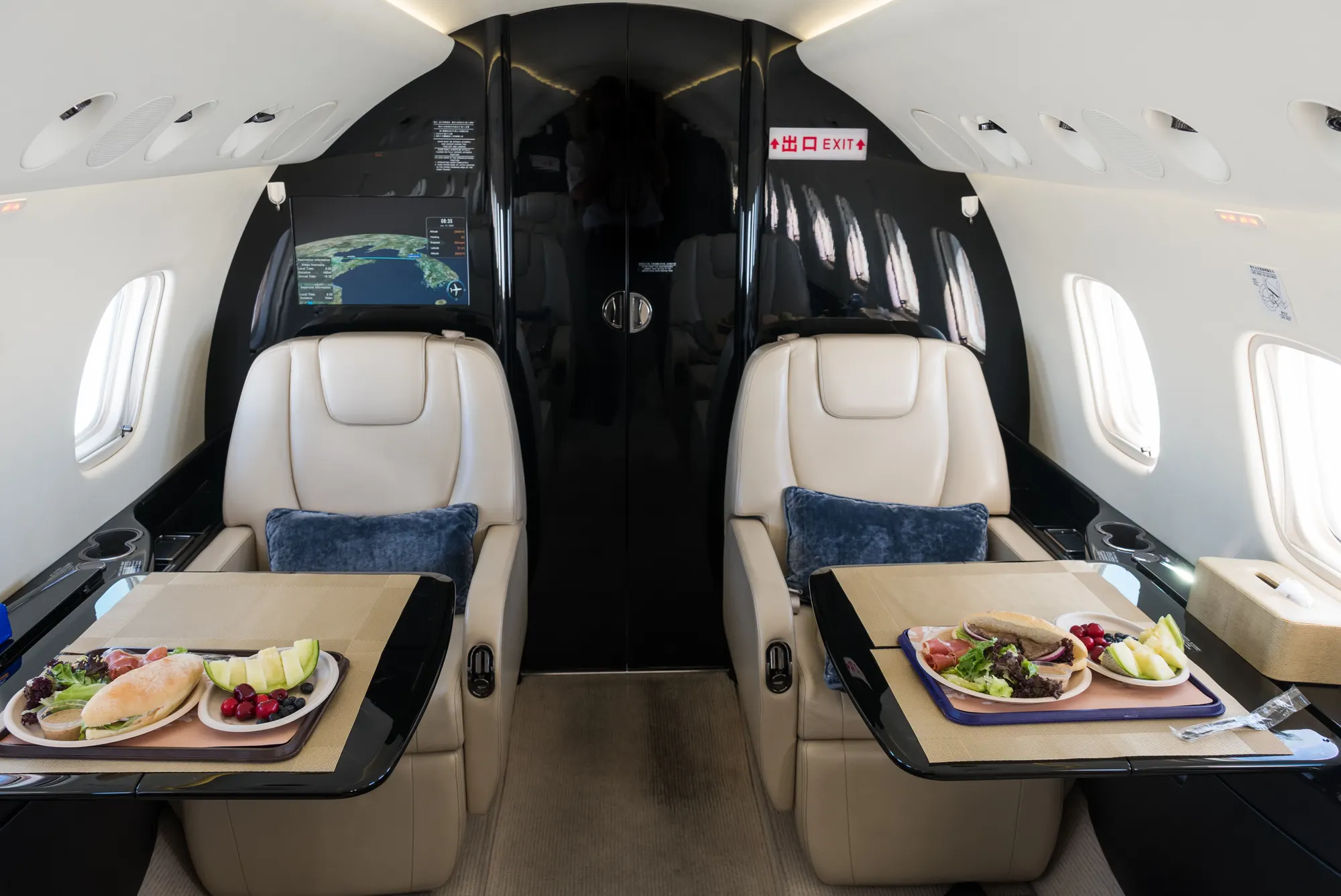
Cabin service is planned ahead as well. Beverage preferences, seating, and catering are confirmed before departure, so service on board runs without the delays of a crowded airport lounge. At the destination, ground teams meet the aircraft so you can step off and continue your day.
Making every minute on the ground count
The trip does not end when the wheels touch down. A car arranged in advance can meet you at the private terminal, and because the aircraft often lands closer to the city center, the drive is short.
When we plan a charter, Stan coordinates the flight, the ground transportation, and any special requests as one itinerary, so you are not juggling several providers. If saving time is the reason you are considering a private flight, call us at 844.538.5233. We will look at where the hours go on your next trip and how many of them we can give back.